

Champion Men Graphic Lounge Short,Standard Fit,7" Inseam,Script Logo,Lightweight 100% Cotton Jersy,Available Regular,Big,Tall(Black - C Logo)
$ 85.22
Professional Training in Counselling Psychology




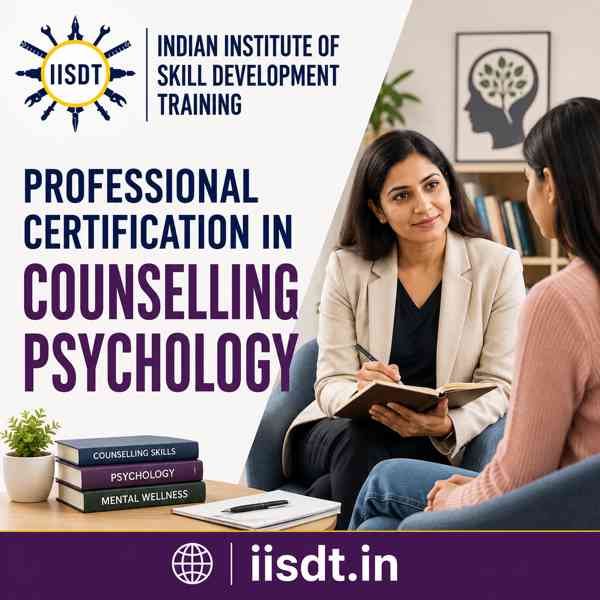

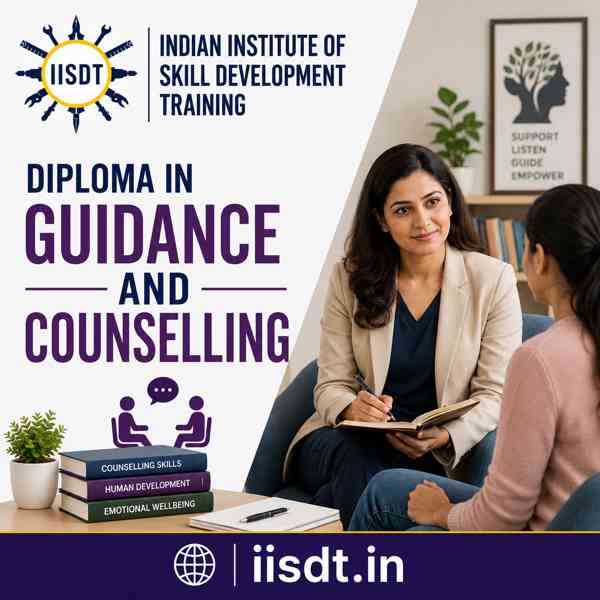

Description Course Name: Professional Training in Counselling Psychology Course Id: PTCP/Q1001. Eligibility: Completion of 10 2 (higher Secondary) or equivalent. Objective: The Professional Training in Counselling Psychology is ideal for individuals seeking a deep understanding of mental health and therapeutic practices. It prepares students to address complex emotional and psychological issues, helping clients lead healthier and more fulfilling lives. Duration: Three Months. How to Enroll and Get Certified in Your Chosen Course: Step 1: Choose the course you wish to get certified in. Step 2: Click on the “Enroll Now” button. Step 3: Proceed with the enrollment process. Step 4: Enter your billing details and continue to course fee payment. Step 5: You will be redirected to the payment gateway. Pay the course and exam fee using one of the following methods: Debit/Credit Card, Wallet, Paytm, Net Banking, UPI, or Google Pay. Step 6: After successful payment, you will receive your study material login ID and password via email within 48 hours of fee payment. Step 7: Once you complete the course, take the online examination. Step 8: Upon passing the examination, you will receive: • A soft copy (scanned) of your certificate via email within 7 days of examination. • A hard copy (original with official seal and signature) sent to your address within 45 day of declaration of result. Step 9: After certification, you will be offered job opportunities aligned with your area of interest. Online Examination Detail: Duration- 60 minutes. No. of Questions- 30. (Multiple Choice Questions). Maximum Marks- 100, Passing Marks- 40%. There is no negative marking in this module. Marking System: S.No. No. of Questions Marks Each Question Total Marks 1 10 5 50 2 5 4 20 3 5 3 15 4 5 2 10 5 5 1 5 30 100 How Students will be Graded: S.No. Marks Grade 1 91-100 O (Outstanding) 2 81-90 A (Excellent) 3 71-80 A (Very Good) 4 61-70 B (Good) 5 51-60 C (Average) 6 40-50 P (Pass) 7 0-40 F (Fail) Key Benefits of Certification- Earning a professional certification not only validates your skills but also enhances your employability. Here are the major benefits you gain: Practical, Job-Ready Skills – Our certifications are designed to equip you with real-world, hands-on skills that match current industry demands — helping you become employment-ready from day one. Lifetime Validity – Your certification is valid for a lifetime — no renewals or expirations. It serves as a permanent proof of your skills and training. Lifetime Certificate Verification – Employers and institutions can verify your certification anytime through a secure and reliable verification system — adding credibility to your qualifications. Industry-Aligned Certification –All certifications are developed in consultation with industry experts to ensure that what you learn is current, relevant, and aligned with market needs. Preferred by Employers – Candidates from ISO-certified institutes are often prioritized by recruiters due to their exposure to standardized, high-quality training. Free Job Assistance Based on Your Career Interests – Receive personalized job assistance and career guidance in your preferred domain, helping you land the right role faster. Syllabus Foundations of Counseling Psychology: Introduction: helping and role of formal and informal helpers, role of beliefs, values, norms, and moral principles in the helping process, the helping relationship, psychoanalytic theories, adlerian theory, humanistic theories, cognitive and cognitive- behavioural counselling, trauma and crisis counselling approaches, benefits of group therapy. Theories & Systems of Psychology: Introduction to psychology, philosophical roots of psychology, beginning of experimental psychology, methods of experimental psychology, theory of evolution, behaviourism, comparison between existential and humanistic psychology, characteristics of learning, techniques to improve memory. Philosophy of Clinical Psychology: Historical perspectives, ethical and legal issues, Personality in childhood and adolescence, pediatric neuropsychological evaluation, cognitive- behavioral treatment, parental psychopathology and its relation to child psychopathology, primary care behavioral pediatrics. Counselling Skills & Techniques: Introduction to counselling, the social and historical origins of counselling, the interdisciplinary knowledge base for counselling theory and practice, the cognitive- behavioural approach to counselling, theory and practice of the person-centred approach, art- making as a therapeutic practice, the process of counselling, the counselling relationship, virtues values and ethics in counselling practice, the role of research in counselling and psychotherapy. Counselling in Special Cases: Behavioural concepts for understanding the clients, counselling process, social case work process, supportive and behavioural techniques, in counselling, cognitive & psychoanalytical techniques in counselling, supportive techniques of helping, some theoretical approaches in case work. Positive Psychology: Introduction, need for a science of human strengths and virtues, positive psychology: assumptions, goals, and definitions, positive emotions, self efficacy, creativity, positive schooling, aging well and role of family, psychology of forgiveness for healthy society. Job Opportunities after Professional Training in Counselling Psychology Graduates can build careers in mental health, therapy, education, corporate wellness, social services, and private practice. Top Roles: Counseling Psychologist, Clinical Psychologist, Marriage & Family Therapist, Child & Adolescent Psychologist, Psychiatric Counselor, Addiction Counselor, Crisis Intervention Counselor, Career Counselor, Mental Health Counselor, School Counselor, Organizational Psychologist (Corporate Counseling), Health & Wellness Coach, Grief Counselor, Behavioral Health Therapist, Researcher in Psychological Counseling, Employee Assistance Program (EAP) Counselor, Psychosocial Support Worker, Therapeutic Coach Key Sectors: Hospitals, mental health clinics, schools, universities, rehabilitation centers, corporate offices, wellness centers, NGOs, private practice, research institutions, government social services, humanitarian aid organizations Salary Range (India): Entry-level (0–2 yrs): ₹3–6 LPA Mid-level (3–5 yrs): ₹6–10 LPA Senior-level (5 yrs): ₹10–18 LPA Specialized Roles (Crisis, Research, Grief Counseling, etc.): ₹8–15 LPA Private Practice / Independent Counselors: ₹5–20 LPA Corporate Counseling / EAP Roles: ₹6–12 LPA Scope: Growing demand for mental health professionals and counseling services in clinical, educational, corporate, and social service settings. Graduates can specialize in areas like CBT, child psychology, family therapy, addiction recovery, corporate wellness, and research. Urban centers, certifications, and private practice opportunities significantly enhance career growth and earning potential.